
Mural Art
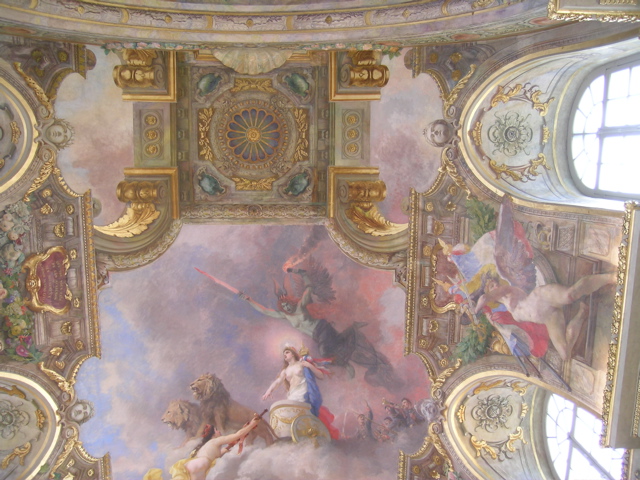
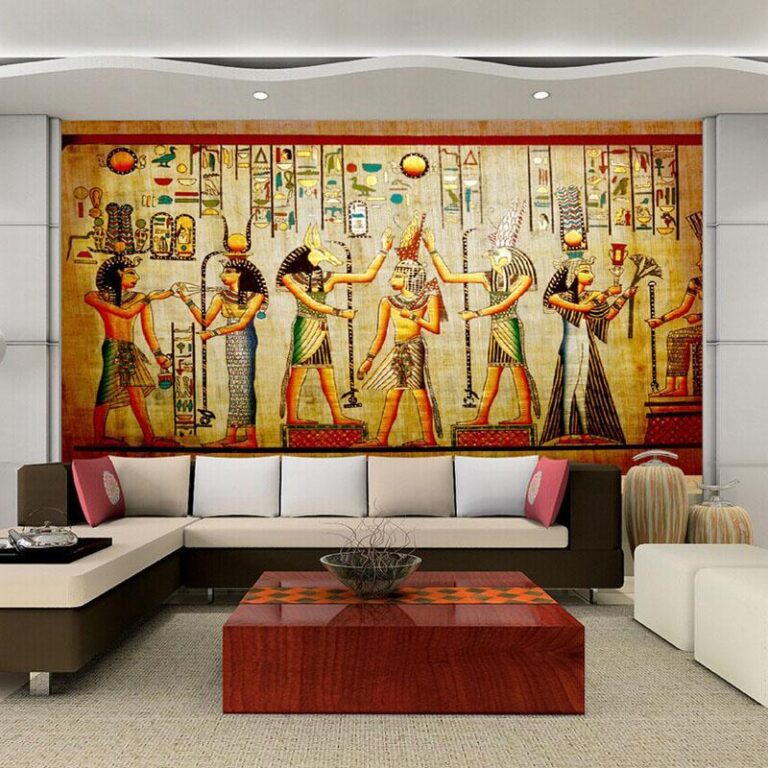
A mural is any piece of artwork painted or applied directly on a wall, ceiling or other permanent surface.
A distinguishing characteristic of mural painting is that the architectural elements of the given space are harmoniously incorporated into the picture.
Mural art in modern day is combination between painting and sculpture which has visual as well as textural 3D Layer.
A distinguishing characteristic of mural painting is that the architectural elements of the given space are harmoniously incorporated into the picture.
Mural art in modern day is combination between painting and sculpture which has visual as well as textural 3D Layer.
Glass Painting
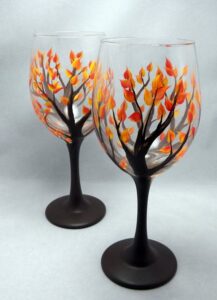
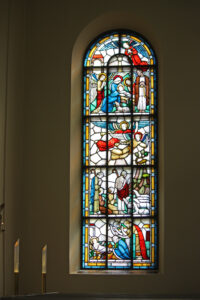
Glass painting is a contemporary art which has been derived from the age old art of stained glass painting which involved putting small coloured pieces of glass together. It was a common feature in high windows and doors of religious places in the olden times and can still be seen in churches and old buildings.
In today’s times glass painting is gaining a lot of popularity due to the availability of the materials and the ease with which it can be done.
Glass painting looks beautiful when light or any illumination passes through the transparent medium. The sun rays going through the transparent coloured glass gives it a glow that no other artificial light can give.
A lot of glass painting designs are attempted on various surfaces too like OHP sheets that give a transparent look, on wooden surfaces. The colours available today are vibrant and give you the look that is desired.
In today’s times glass painting is gaining a lot of popularity due to the availability of the materials and the ease with which it can be done.
Glass painting looks beautiful when light or any illumination passes through the transparent medium. The sun rays going through the transparent coloured glass gives it a glow that no other artificial light can give.
A lot of glass painting designs are attempted on various surfaces too like OHP sheets that give a transparent look, on wooden surfaces. The colours available today are vibrant and give you the look that is desired.
Terra Cotta
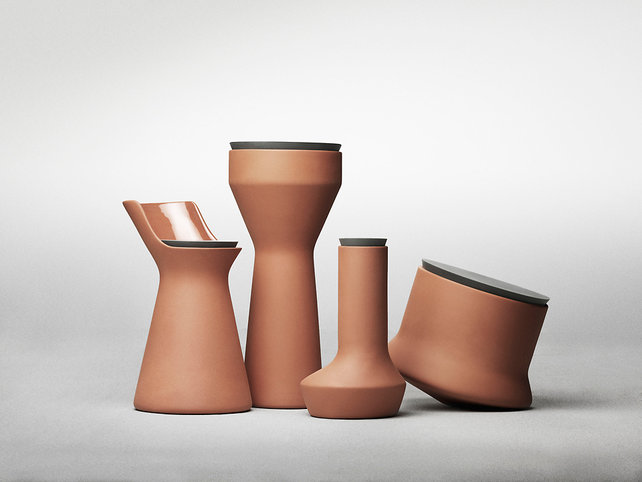
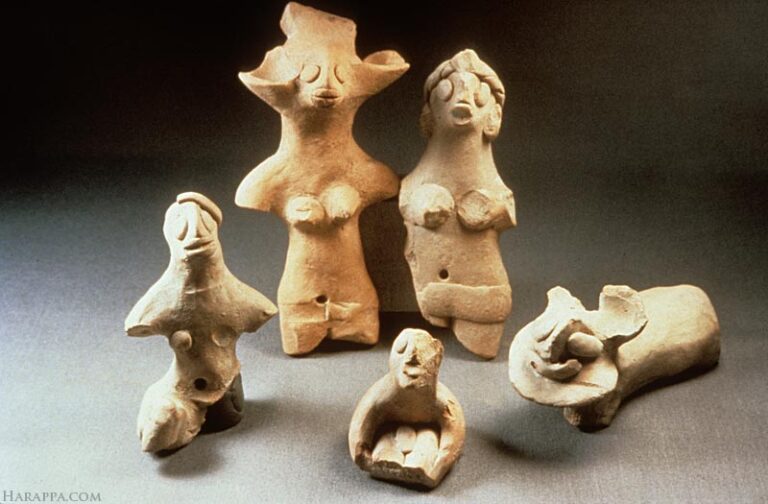
Terra cotta “baked earth”, a type of earthenware, is a clay-based unglazed or glazed ceramic, where the fired body is porous. Terracotta is the term normally used for sculpture made in earthenware, and also for various utilitarian uses including vessels , water and waste water pipes, roofing tiles, bricks, and surface embellishment in building construction.
In archaeology and art history, “terracotta” is often used to describe objects such as figurines not made on a potter’s wheel. Vessels and other objects that are or might be made on a wheel from the same material are called earthenware pottery; the choice of term depends on the type of object rather than the material or firing technique.
Unglazed pieces, and those made for building construction and industry, are also more likely to be referred to as terracotta, whereas tableware and other vessels are called earthenware.
Material-based explorations like terracotta also strengthen spatial understanding required in architecture programs.
In archaeology and art history, “terracotta” is often used to describe objects such as figurines not made on a potter’s wheel. Vessels and other objects that are or might be made on a wheel from the same material are called earthenware pottery; the choice of term depends on the type of object rather than the material or firing technique.
Unglazed pieces, and those made for building construction and industry, are also more likely to be referred to as terracotta, whereas tableware and other vessels are called earthenware.
Material-based explorations like terracotta also strengthen spatial understanding required in architecture programs.
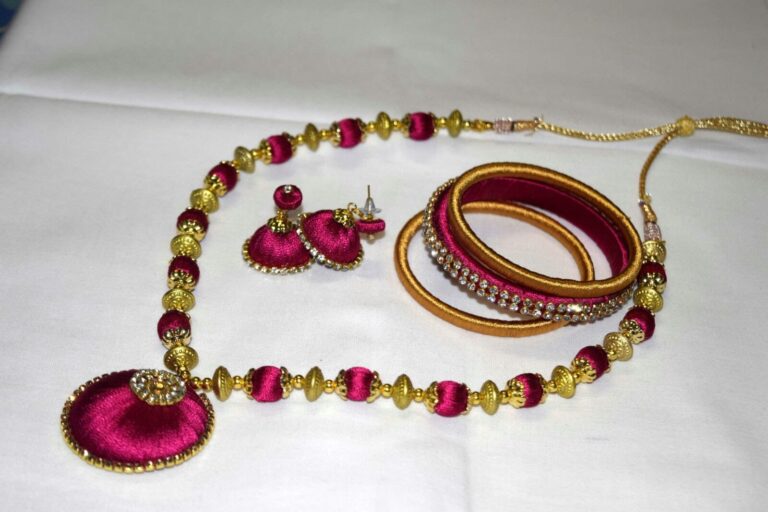
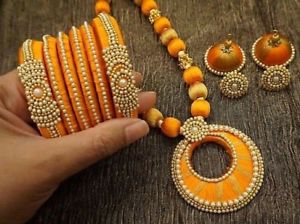
Silk Thread Jewellary
Jewellery design is the art or profession of designing and creating jewellery back at least seven thousand years.
Before an article of jewellery is created, design concepts are rendered followed by detailed technical drawings generated by a jewellery designer, a professional who is trained in the architectural and functional knowledge of materials, fabrication techniques, composition, wearability and market trends.
Once conceptual/ideation is complete, the design is rendered and fabricated using the necessary materials for proper adaptation to the function of the object.
In present date various innovative Materials are incorporated in jewellary design such as Silk thread to make it more economical and colourful.
Creative skills combined with strong presentation abilities developed through confidence and communication skills training can significantly enhance portfolio and interview performance.
Before an article of jewellery is created, design concepts are rendered followed by detailed technical drawings generated by a jewellery designer, a professional who is trained in the architectural and functional knowledge of materials, fabrication techniques, composition, wearability and market trends.
Once conceptual/ideation is complete, the design is rendered and fabricated using the necessary materials for proper adaptation to the function of the object.
In present date various innovative Materials are incorporated in jewellary design such as Silk thread to make it more economical and colourful.
Creative skills combined with strong presentation abilities developed through confidence and communication skills training can significantly enhance portfolio and interview performance.
Liquid Embroidery
Embroidery is the craft of decorating fabric or other materials using a needle to apply thread or yarn.
Embroidery may also incorporate other materials such as pearls, mirrors, beads, quills, and sequins. In modern days, embroidery is usually seen on caps, hats, coats, blankets, dress shirts, denim, dresses, stockings, and golf shirts. Embroidery is available with a wide variety of thread or yarn colour.
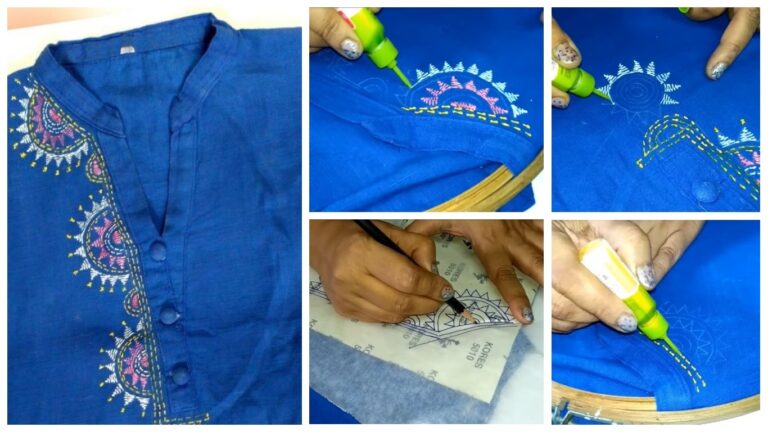
In todays age it can be done using special liquid medium to create embroidery.
Embroidery may also incorporate other materials such as pearls, mirrors, beads, quills, and sequins. In modern days, embroidery is usually seen on caps, hats, coats, blankets, dress shirts, denim, dresses, stockings, and golf shirts. Embroidery is available with a wide variety of thread or yarn colour.
In todays age it can be done using special liquid medium to create embroidery.
Pebble Art
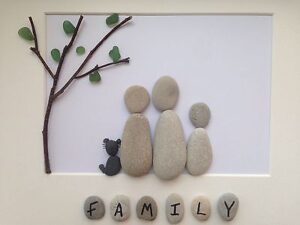
The use of rocks and pebbles to create works of art is not an entirely new concept but the way the art is created has changed a lot over the course of time.
This art is as organic, ubiquitous and as economical as rocks and pebbles can be used to create art. It could used as landscape or patio element around you.
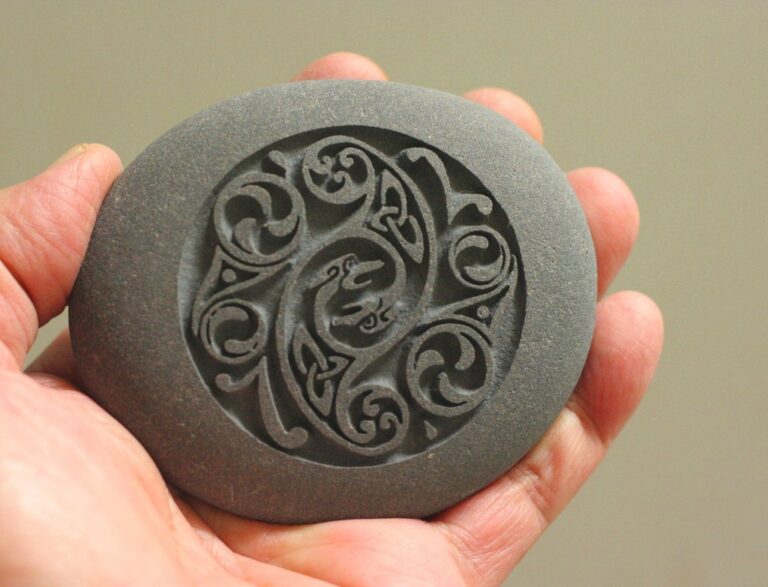
Nowadays pebble carving, pebble painting is gaining popularity to create art pieces in its robust form.
It could be a part of fantastic flowerpot ideas to make your favorite look for your window or balcony garden.
This art is as organic, ubiquitous and as economical as rocks and pebbles can be used to create art. It could used as landscape or patio element around you.
Nowadays pebble carving, pebble painting is gaining popularity to create art pieces in its robust form.
It could be a part of fantastic flowerpot ideas to make your favorite look for your window or balcony garden.
Fabric Painting
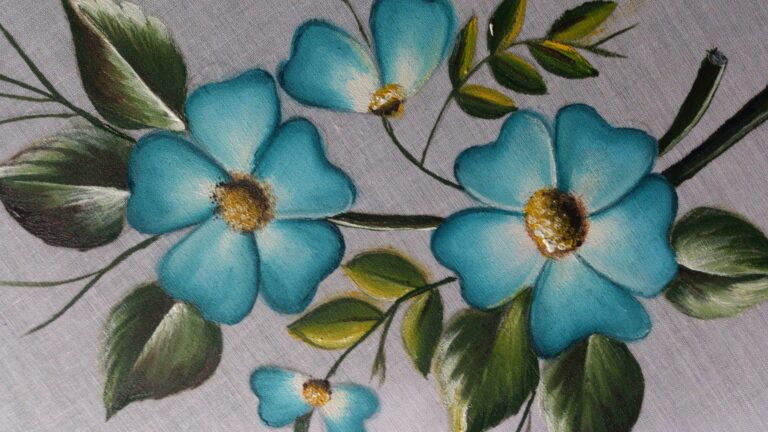
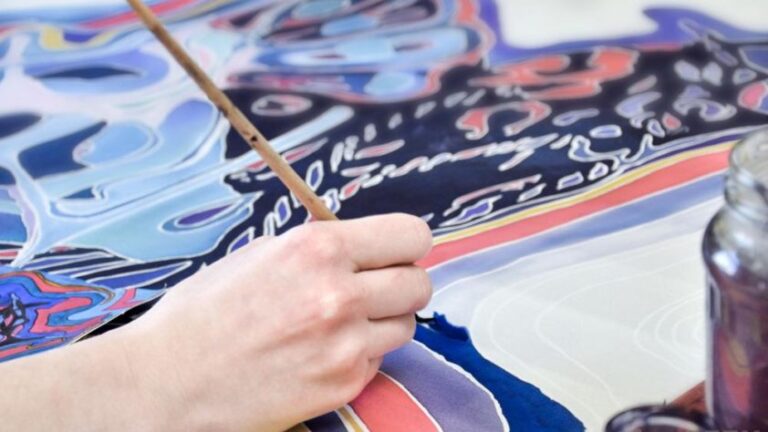
Humans have been painting on fabric for thousands of years, basically since people started twisting and weaving fibres together to make the first fabrics.
Techniques that were used to decorate the body began to be applied to the earliest fabrics that were developed. Two basic methods emerged: colouring (directly applying an image with colour to the fabric) and patterning (painting or printing with resists in patterns and then colouring the fabric).
Fabric painting can be used to decorate everything from clothing to home furnishings like curtains and tablecloths.
Today, artists have many choices of paints such as Textile Colours and Setacolor Fabric Paint. You can also use regular acrylic paint. You’ll just need to mix it with an extender medium, a clear substance that allows acrylics to be painted on fabric.
Students looking to convert their creative interests into a long-term profession can benefit from expert design career guidance to understand specialization pathways.
Techniques that were used to decorate the body began to be applied to the earliest fabrics that were developed. Two basic methods emerged: colouring (directly applying an image with colour to the fabric) and patterning (painting or printing with resists in patterns and then colouring the fabric).
Fabric painting can be used to decorate everything from clothing to home furnishings like curtains and tablecloths.
Today, artists have many choices of paints such as Textile Colours and Setacolor Fabric Paint. You can also use regular acrylic paint. You’ll just need to mix it with an extender medium, a clear substance that allows acrylics to be painted on fabric.
Students looking to convert their creative interests into a long-term profession can benefit from expert design career guidance to understand specialization pathways.
Paper Quilling
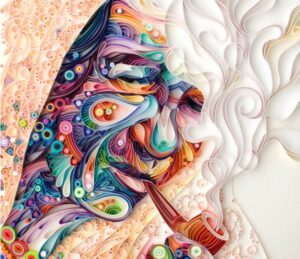
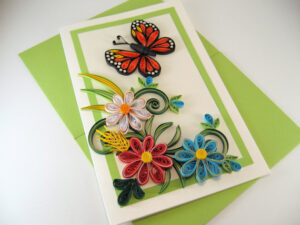
Quilling or paper filigree is an art form that involves the use of strips of paper that are rolled, shaped, and glued together to create decorative designs.
The paper is rolled, looped, curled, twisted and otherwise manipulated to create shapes which make up designs to decorate greetings cards, pictures, boxes, eggs, and to make models, jewelry, mobiles etc.
Quilling starts with rolling a strip of paper into a coil and then pinching the coil into shapes that can be glued together.
There are advanced techniques and different sized paper that are used to create 3D miniatures, abstract art, and quilled flowers among many things.
The paper is rolled, looped, curled, twisted and otherwise manipulated to create shapes which make up designs to decorate greetings cards, pictures, boxes, eggs, and to make models, jewelry, mobiles etc.
Quilling starts with rolling a strip of paper into a coil and then pinching the coil into shapes that can be glued together.
There are advanced techniques and different sized paper that are used to create 3D miniatures, abstract art, and quilled flowers among many things.
Calligraphy
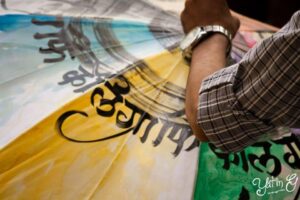
Calligraphy is a visual art related to writing. It is the design and execution of lettering with a broad tip instrument, brush, or other writing instruments. A contemporary calligraphic practice can be defined as “the art of giving form to signs in an expressive, harmonious, and skilful manner”.
Modern calligraphy ranges from functional inscriptions and designs to fine-art pieces where the letters may or may not be readable.
Classical calligraphy differs from typography and non-classical hand-lettering, though a calligrapher may practice both.
Calligraphy continues flourishing in the forms of wedding invitations and event invitations, font design and typography, original hand-lettered logo design, religious art, announcements, graphic etc.
Modern calligraphy ranges from functional inscriptions and designs to fine-art pieces where the letters may or may not be readable.
Classical calligraphy differs from typography and non-classical hand-lettering, though a calligrapher may practice both.
Calligraphy continues flourishing in the forms of wedding invitations and event invitations, font design and typography, original hand-lettered logo design, religious art, announcements, graphic etc.
Decoupage
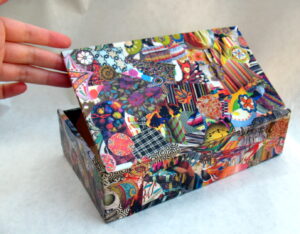
Decoupage is the art of decorating an object by gluing colored paper cut-outs onto it in combination with special paint effects and other decorative elements.
Each layer is sealed with varnishes until the “stuck on” appearance disappears and the result looks like painting or inlay work. The traditional technique used 30 to 40 layers of varnish which were then sanded to a polished finish.
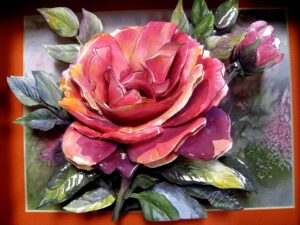
3D decoupage is the art of creating a 3D image by cutting out elements of varying sizes from a series of identical images and layering them on top of each other, usually with adhesive foam spacers between each layer to give the image more depth.
Each layer is sealed with varnishes until the “stuck on” appearance disappears and the result looks like painting or inlay work. The traditional technique used 30 to 40 layers of varnish which were then sanded to a polished finish.
3D decoupage is the art of creating a 3D image by cutting out elements of varying sizes from a series of identical images and layering them on top of each other, usually with adhesive foam spacers between each layer to give the image more depth.
Ink Doodle
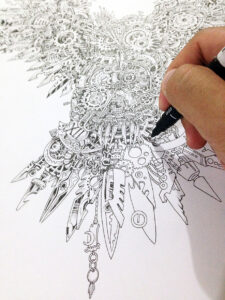
A doodle is a drawing made to draw person’s attention with the help of simple drawings that can have concrete representational meaning or may just be composed of random and abstract lines, generally without ever lifting the drawing device from the paper, in which case it is usually called a “scribble”.
Typical examples of doodling are found in school notebooks, often in the margins, drawn by students daydreaming or losing interest during class.
Ink doodle is the art of doodling which uses ink as a medium. Popular kinds of doodles include cartoon versions of teachers or companions in a school, famous TV or comic characters etc.
Typical examples of doodling are found in school notebooks, often in the margins, drawn by students daydreaming or losing interest during class.
Ink doodle is the art of doodling which uses ink as a medium. Popular kinds of doodles include cartoon versions of teachers or companions in a school, famous TV or comic characters etc.
Charcoal Sketching
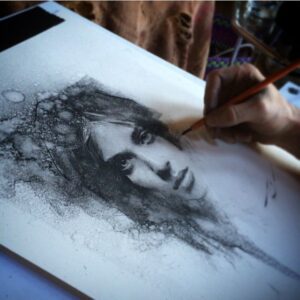
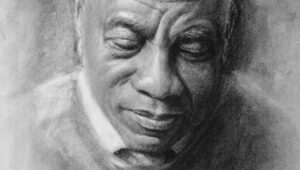
Artists’ charcoal is a form of dry art medium made of finely ground organic materials that are held together by a gum or wax binder .
These charcoals are often used by artists for their versatile properties, such as the rough texture that leaves marks less permanent than other art media.
Charcoal can produce lines that are very light or intensely black, while being easily removable, yet vulnerable to leaving stains on paper. The dry medium can be applied to almost any surface from smooth to very coarse. Fixatives are often used with charcoal drawings to solidify the position to prevent erasing or rubbing off of charcoal dusts.
This art includes various processes like Hatching, Rubbing, Blending, Lifting etc.
These charcoals are often used by artists for their versatile properties, such as the rough texture that leaves marks less permanent than other art media.
Charcoal can produce lines that are very light or intensely black, while being easily removable, yet vulnerable to leaving stains on paper. The dry medium can be applied to almost any surface from smooth to very coarse. Fixatives are often used with charcoal drawings to solidify the position to prevent erasing or rubbing off of charcoal dusts.
This art includes various processes like Hatching, Rubbing, Blending, Lifting etc.
Origami
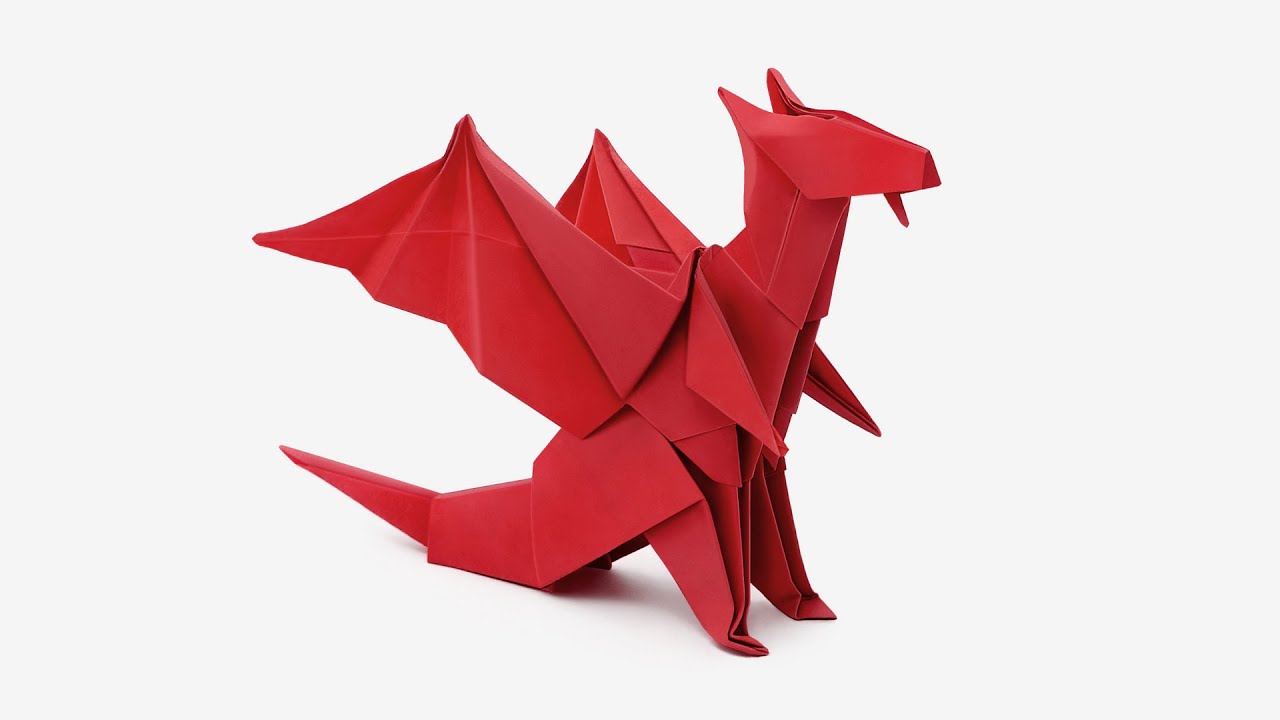
Learn various folding techniques, from basic to advanced, and create a range of origami models, including animals, flowers, and geometric shapes. They will develop patience, precision, and spatial awareness while exploring the meditative and creative practice of origami.
Wood painting
Students will learn the techniques and tools of wood painting, exploring various painting methods such as brush strokes and stenciling. They will gain an understanding of surface preparation and composition, honing their skills in visual storytelling and artistic expression on wooden surfaces.
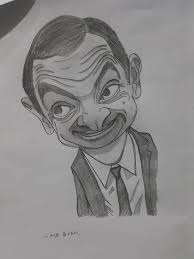
Caricature Drawing
Through guided instruction, participants will learn to capture likeness and exaggerate features, infusing their drawings with personality and humor. They will develop observational skills, creativity, and the ability to communicate emotions and characteristics through caricature.
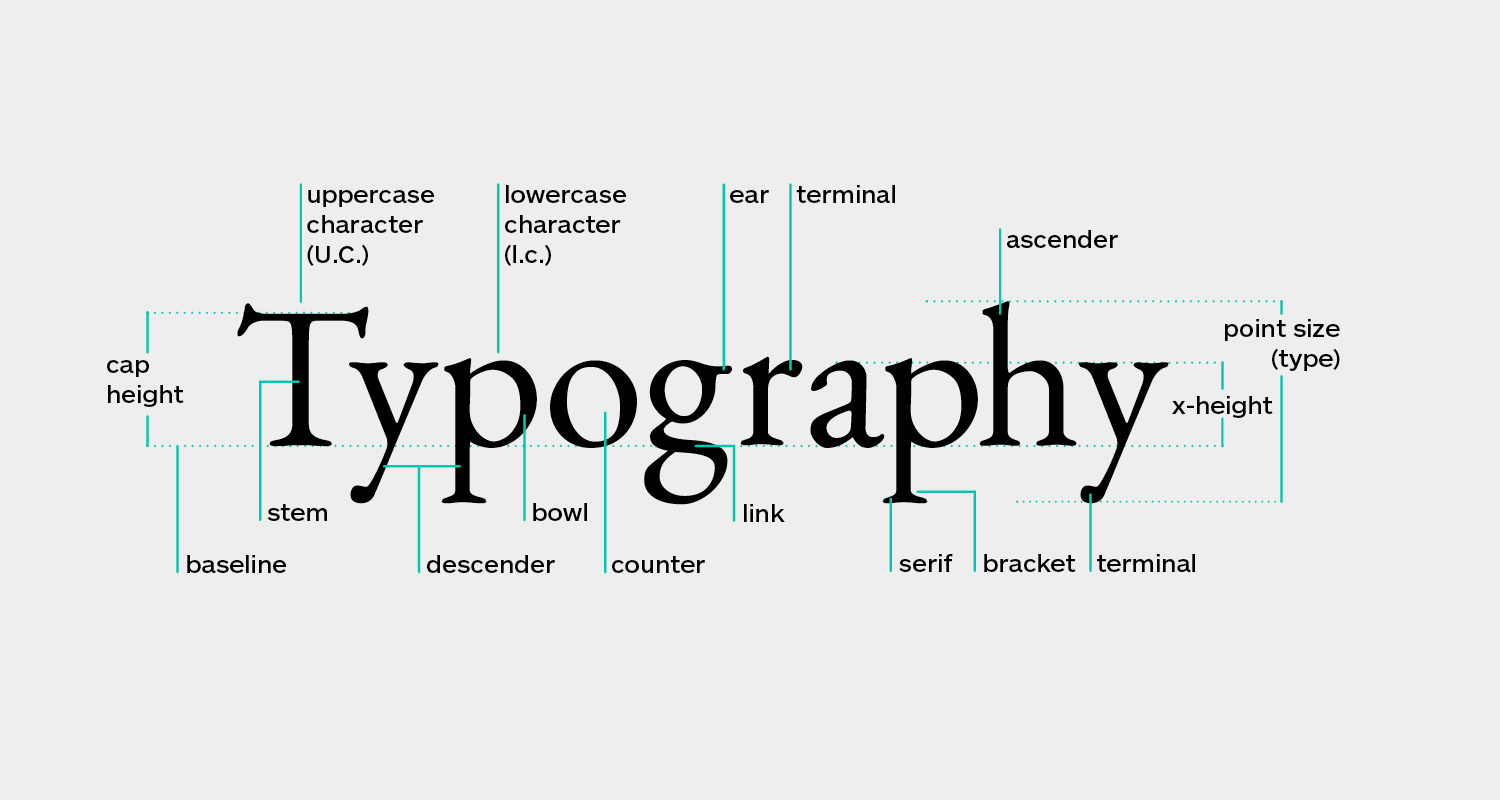
Typography
Students will delve into the art and science of typography, learning to wield type as a powerful tool for communication and expression. They will explore principles of letterform, hierarchy, and composition, developing skills in visual communication and graphic design.
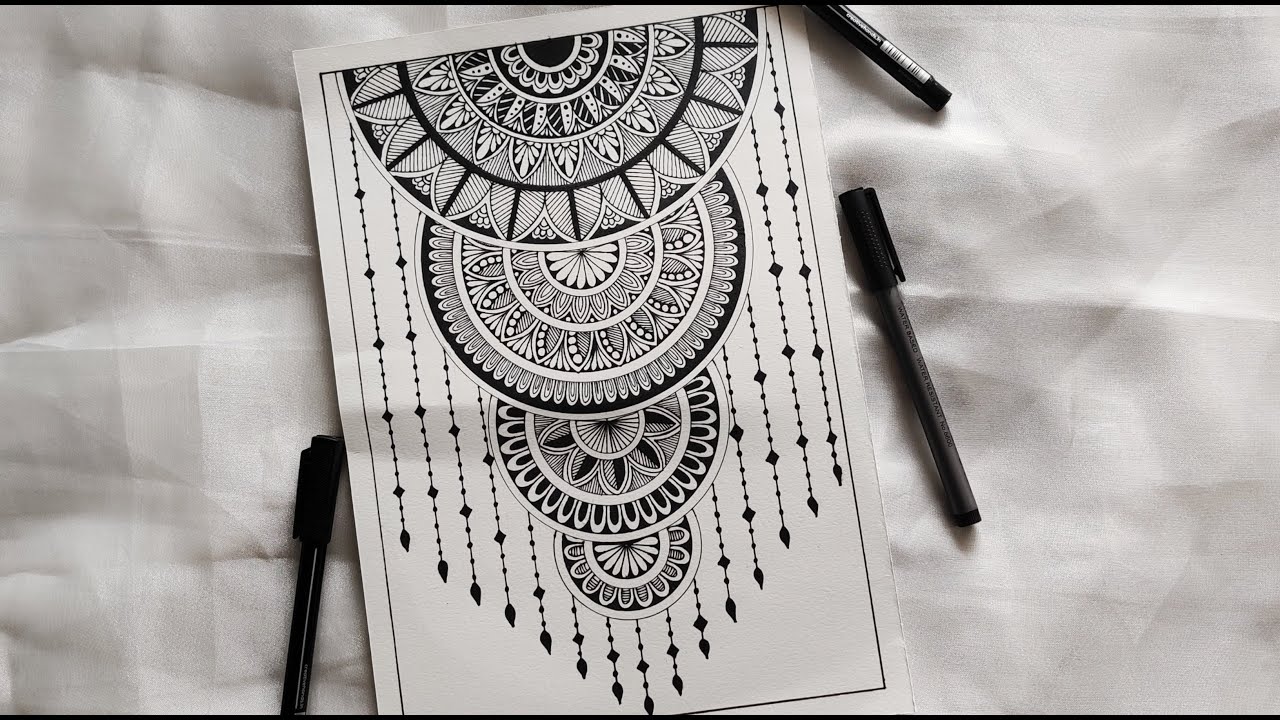
Mandala Art
Participants will explore the meditative art of mandala-making, learning to create intricate designs using various tools and techniques. They will develop mindfulness, concentration, and self-expression through the creation of geometric patterns and symbolic imagery.
Varli Painting
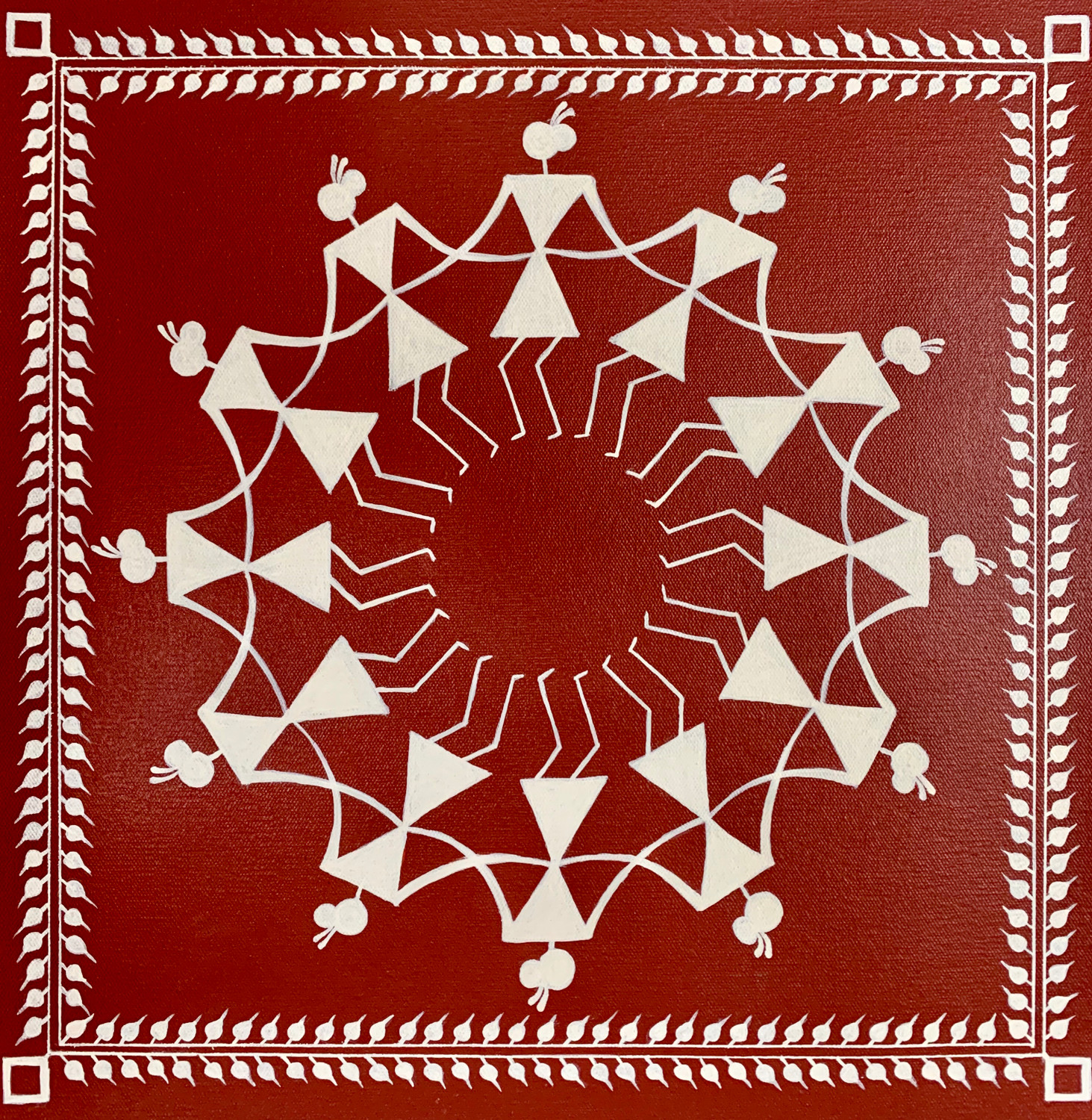
Students will learn the techniques of Varli painting, discovering the cultural significance of its motifs and storytelling traditions. They will gain an appreciation for indigenous art forms and develop skills in traditional painting methods and narrative storytelling.
Madhubani Art
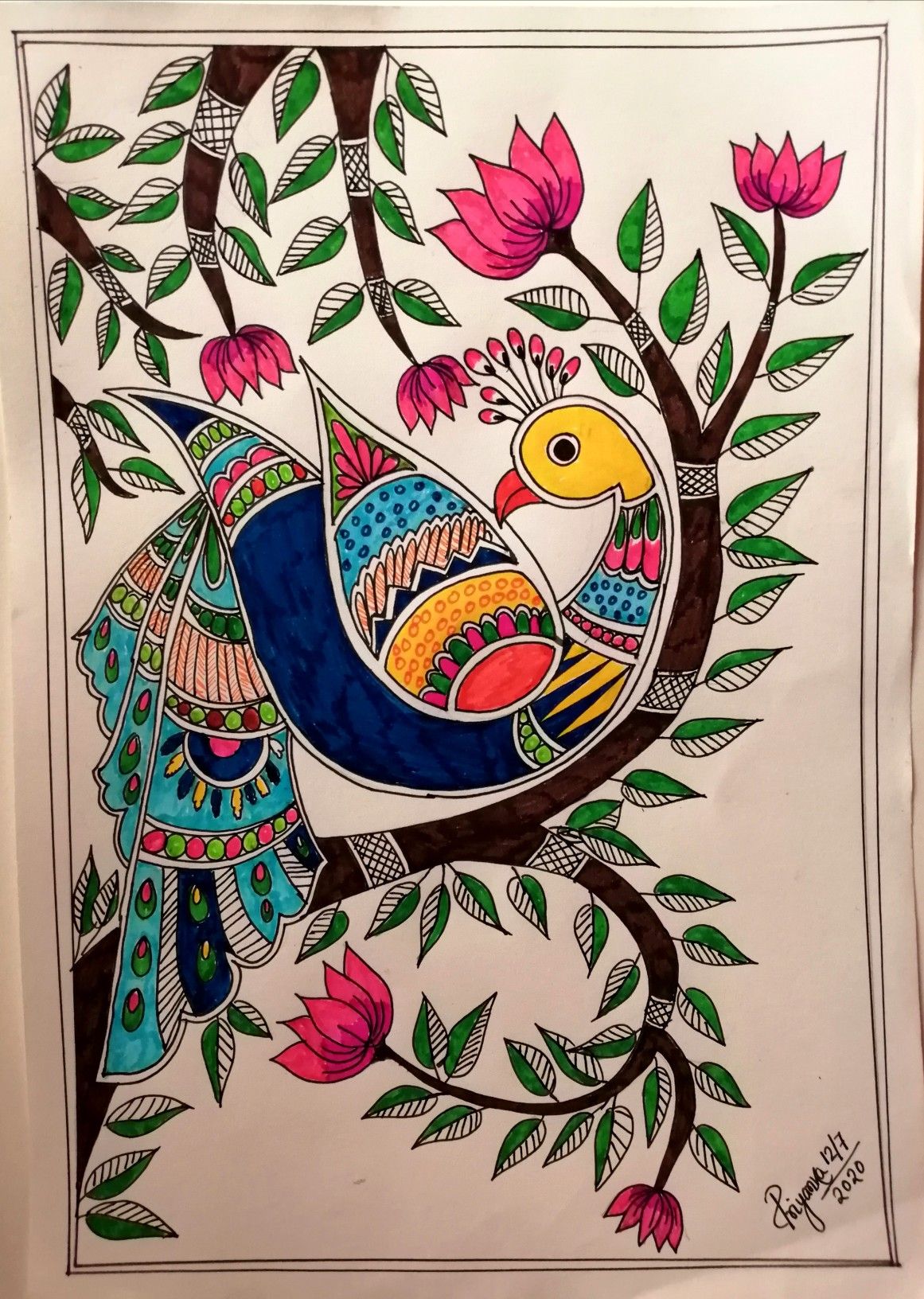
Through hands-on instruction, participants will learn the traditional techniques of Madhubani painting, including sketching intricate motifs and using vibrant colors made from natural dyes. They will gain an understanding of cultural heritage and develop skills in folk art and storytelling.
Candle Making
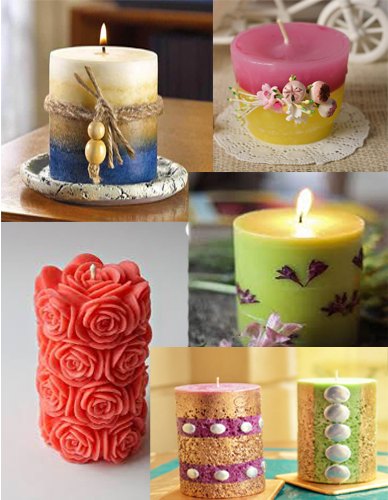
Students will learn the art and science of candle making, including wax selection, fragrance blending, and wick placement. They will develop skills in craftsmanship and creativity, creating custom candles that reflect their personal style and aesthetic.
Sculpting Art
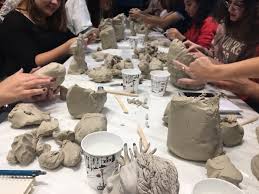
Learn the fundamentals of form, proportion, and texture, as well as sculpting techniques using various materials. They will develop spatial awareness, observation skills, and creativity while bringing their artistic visions to life in three dimensions.
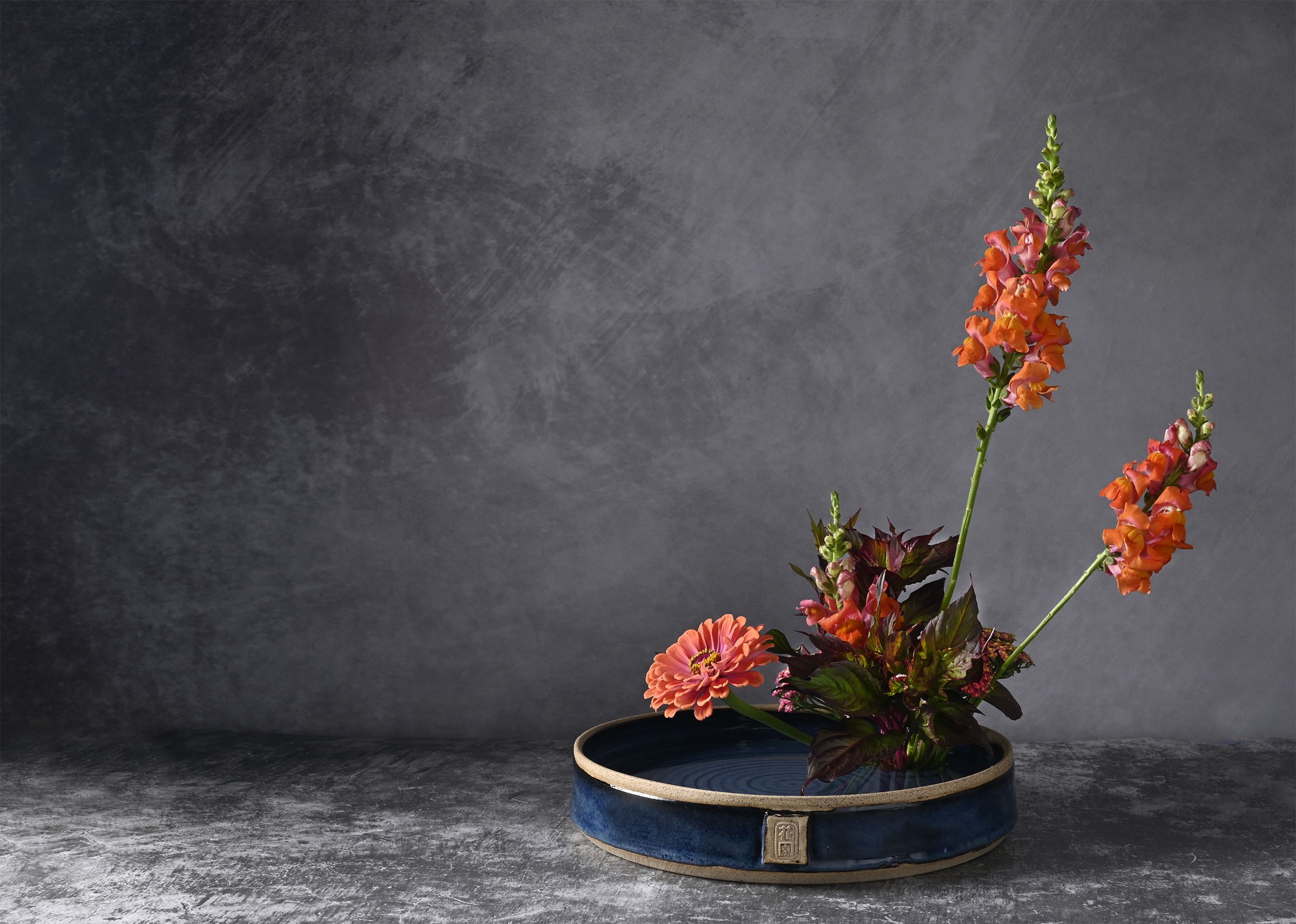
Ikebana
Through guided instruction, students will learn the fundamental principles of Ikebana, including selecting seasonal blooms and mastering asymmetrical composition. They will develop an appreciation for the harmony between nature and humanity while honing their skills in floral arranging and mindfulness.
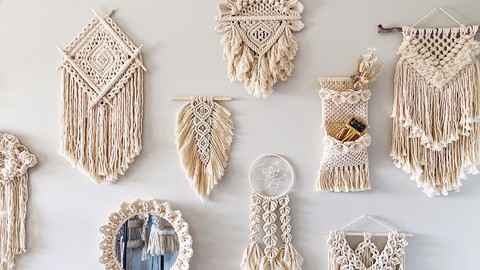
Macrame
In this workshop, you will explore the versatile craft of macrame, learning various knotting techniques and patterns. They will develop skills in craftsmanship, patience, and creativity while creating stunning macrame pieces to adorn their living spaces.
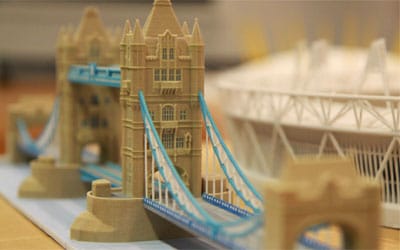
Miniature Modeling
Students will learn the techniques of scale modeling, including sculpting, painting, and detailing miniature scenes. They will develop precision, attention to detail, and creativity while creating intricate worlds on a small scale.
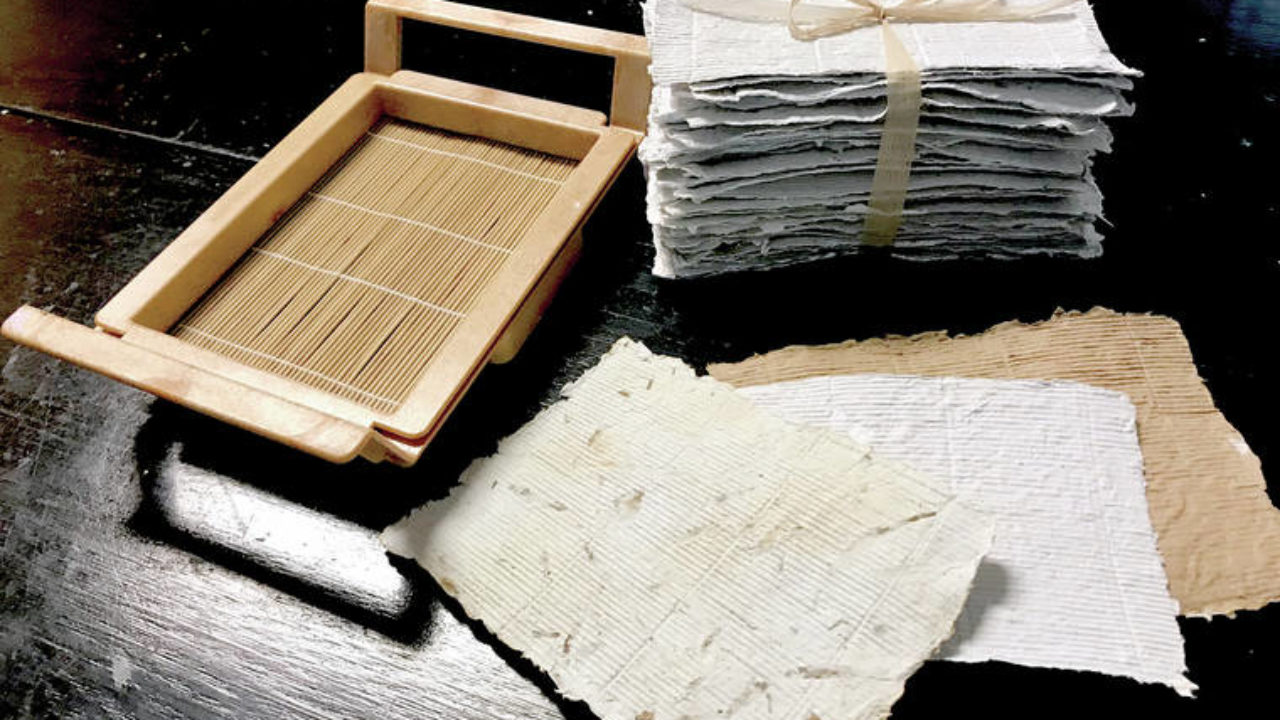
Paper Making
Through hands-on experimentation, participants will learn the traditional craft of papermaking, including pulp preparation, sheet formation, and drying methods. They will develop skills in sustainability, creativity, and craftsmanship while crafting unique paper creations from recycled materials.
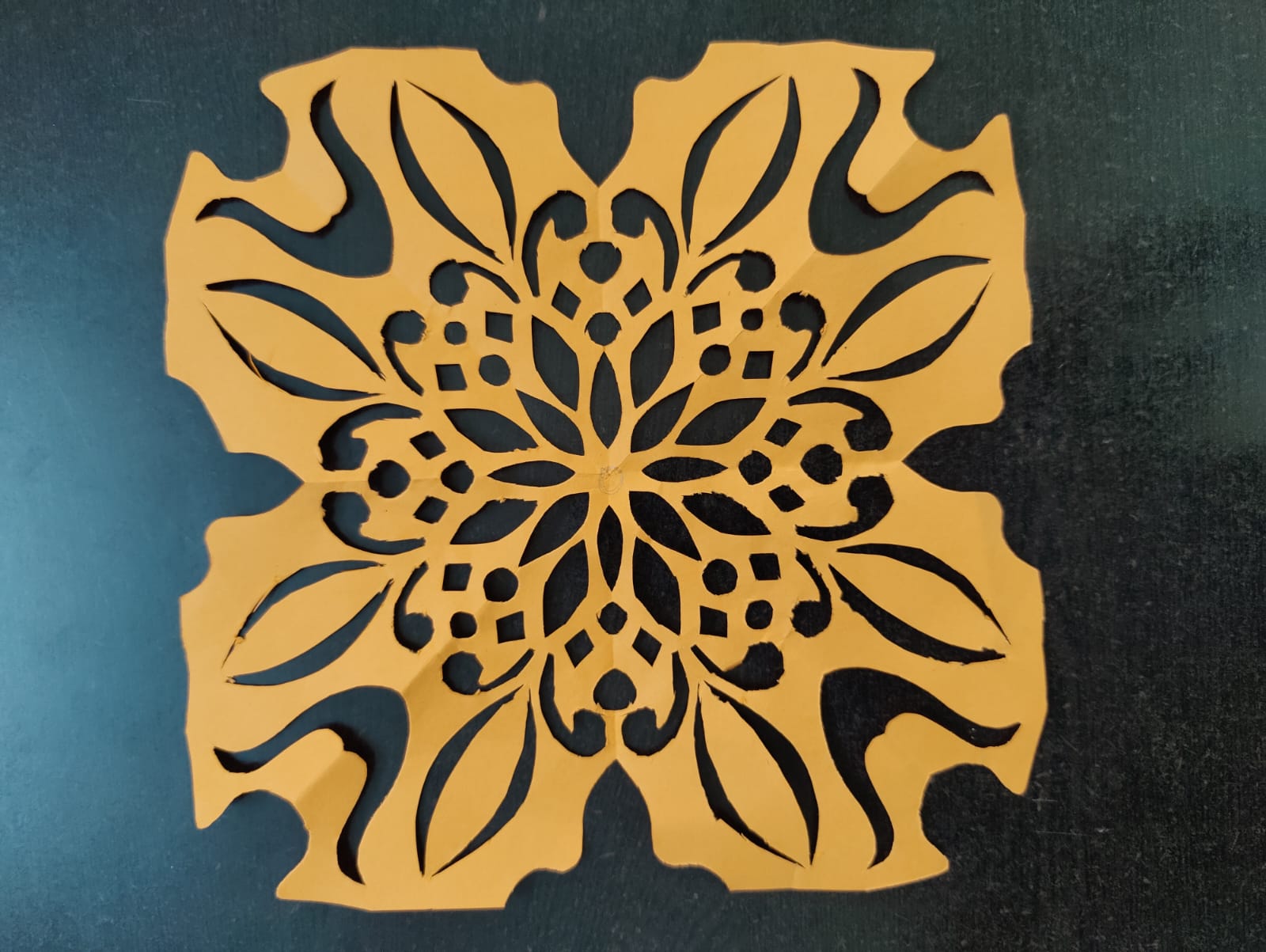
Kirigami
Kirigami is a variation of origami, the Japanese art of folding paper. In kirigami, the paper is cut as well as being folded, resulting in a three-dimensional design that stands away from the page. Kirigami typically does not use glue.
Students who wish to take their creative abilities to the next level and pursue postgraduate design programs can strengthen their preparation through structured CEED coaching.
Students who wish to take their creative abilities to the next level and pursue postgraduate design programs can strengthen their preparation through structured CEED coaching.